
10 Daily Crane Checks Operators Should Perform
When it comes to crane safety, accidents rarely happen without warning. More often than not, equipment gives signs that something isn’t right long before a failure occurs. That’s why daily crane inspections are one of the most important responsibilities of any crane operator.
A few minutes spent conducting routine checks at the beginning of each shift can help prevent costly downtime, equipment damage, workplace injuries, and compliance issues.
Here are 10 essential daily crane checks every operator should perform before putting a crane into service:
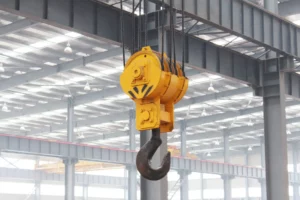
1. Inspect the Hook
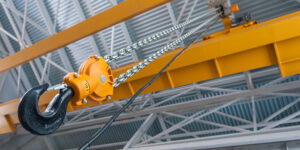
The crane hook is one of the most critical components in any lifting operation. Operators should check for:
- Cracks or fractures
- Excessive wear
- Bending or twisting
- Missing safety latches
A damaged hook can compromise the entire lifting process and should be reported immediately.
2. Examine Wire Ropes and Chains
Wire ropes and chains endure significant stress during daily operations. Look for:
- Broken strands
- Kinks or bird-caging
- Corrosion
- Flattened sections
- Excessive wear
Any signs of deterioration should be addressed before lifting operations begin.
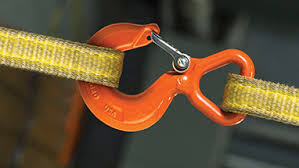
3. Check Load Chains and Attachments
Inspect all chains, slings, shackles, and lifting accessories for damage, deformation, or wear. These components are often overlooked but are just as important as the crane itself.
Never use lifting equipment that shows signs of damage or has exceeded its inspection period.
4. Test the Brake System
A crane’s braking system is essential for maintaining load control.
Before operation:
- Test travel brakes
- Check hoist brakes
- Verify emergency stop functionality
Any unusual movement or delayed response should be investigated immediately.
5. Inspect Limit Switches
Limit switches prevent over-travel and over-hoisting situations that can damage equipment and create dangerous conditions.
Operators should ensure all limit switches are functioning correctly before commencing work.
6. Listen for Unusual Noises
Strange sounds often indicate developing mechanical issues.
Be alert for:
- Grinding
- Squealing
- Clicking
- Excessive vibration
These warning signs may indicate bearing wear, motor issues, or alignment problems that require maintenance attention.
7. Verify Controls and Safety Devices
Test all operational controls and safety systems, including:
- Pendant controls
- Radio remotes
- Emergency stops
- Warning alarms
- Indicator lights
All controls should respond smoothly and accurately.
8. Check for Fluid Leaks
Hydraulic and lubrication systems play a vital role in crane performance.
Inspect for:
- Oil leaks
- Hydraulic fluid leaks
- Grease shortages
Small leaks can quickly develop into major maintenance issues if left unattended.
9. Inspect the Crane Structure
Perform a visual inspection of the crane’s structural components, including:
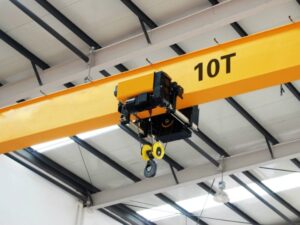
- Beams
- Trolleys
- End carriages
- Bolted connections
Look for cracks, corrosion, loose bolts, or any signs of structural damage.
10. Verify the Work Area
Even a perfectly functioning crane can become dangerous in an unsafe environment.
Before lifting:
- Ensure pathways are clear
- Check for obstacles
- Verify adequate lighting
- Confirm personnel are clear of lifting zones
Maintaining a safe work area is just as important as maintaining the crane itself.