
Common Crane Components Every Facility Manager Should Know
When an overhead crane is working as it should, it’s easy to overlook the many components working together behind the scenes. However, understanding the key parts of your crane system can help facility managers identify potential issues early, improve workplace safety, and reduce costly downtime.
Whether you’re responsible for a manufacturing plant, warehouse, fabrication workshop, or industrial facility, knowing the basics of your lifting equipment can make all the difference.
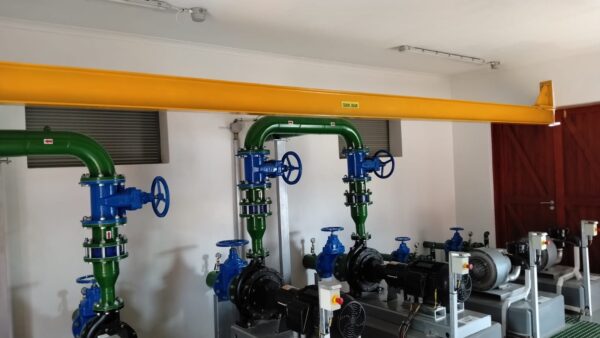
1. Bridge
The bridge is the main horizontal beam that spans the width of the crane runway. It supports the trolley and hoist while carrying the load across the workspace. Signs to watch for:
- Visible cracks or corrosion
- Bent or damaged structural members
- Excessive vibration during operation
2. Hoist
The hoist is the lifting mechanism responsible for raising and lowering the load. Depending on the application, it may use wire rope or load chain. Regular inspections should include:
- Brake performance
- Wire rope or chain wear
- Gearbox condition
- Lubrication
- Unusual noises during operation
3. Trolley
The trolley carries the hoist and moves horizontally along the bridge, allowing loads to be positioned accurately. Maintenance checks include:
- Wheel condition
- Bearings
- Drive motors
- Alignment
- Smooth travel along the bridge
4. End Trucks
Mounted at each end of the bridge, the end trucks contain the wheels that allow the crane to travel along the runway rails. Common issues include:
- Wheel wear
- Misalignment
- Loose bolts
- Damaged bearings
5. Runway Rails
Runway rails guide the crane safely across the building. Even small alignment issues can increase wear on wheels and motors. Routine inspections should check for:
- Rail alignment
- Loose fixings
- Wear patterns
- Obstructions
- Structural damage
6. Hook Block
The hook block connects the hoist to the load and is one of the most critical safety components. A damaged hook should never be repaired by welding, it should be replaced. Inspect regularly for:
- Cracks
- Twisting
- Excessive throat opening
- Damaged safety latch
- Signs of overload
7. Wire Rope or Load Chain
These components carry the entire weight of the load and require frequent inspection. Ignoring rope or chain damage can lead to serious safety risks. Look for:
- Broken strands
- Corrosion
- Kinks
- Stretching
- Excessive wear
8. Limit Switches
Limit switches prevent the hoist or crane from travelling beyond safe operating limits, helping protect both equipment and operators. They should be tested during routine maintenance. Faulty limit switches can result in:
- Equipment damage
- Overwinding
- Unsafe lifting operations
9. Electrical System
Modern cranes rely on electrical controls, motors, pendant stations, radio controls, and control panels. Electrical faults are often one of the leading causes of unexpected crane downtime. Technicians should inspect:
- Wiring
- Connections
- Control panels
- Emergency stop functions
- Electrical enclosures
10. Braking System
Brakes ensure loads remain secure whenever lifting or travelling stops. Signs that brakes require attention include:
- Slipping loads
- Delayed stopping
- Excessive wear
- Unusual noises
Why Understanding Crane Components Matters
Facility managers don’t need to be crane technicians, but understanding these key components helps them:
- Identify problems before they become costly failures.
- Schedule preventative maintenance effectively.
- Improve workplace safety.
- Extend equipment lifespan.
- Reduce unexpected production downtime.
- Make informed maintenance decisions.
Partner with AA Cranes
At AA Cranes, we help businesses keep their lifting equipment operating safely and efficiently through professional inspections, preventative maintenance, repairs, servicing, load testing, and expert technical support. Our experienced team works with facilities across a wide range of industries to ensure crane systems remain reliable, compliant, and ready for daily operations.
Keep Your Crane Working at Its Best
Your crane is only as reliable as the condition of its components. Regular inspections and preventative maintenance not only improve safety but also protect productivity and reduce long-term operating costs. If you’d like to learn more about maintaining your lifting equipment, contact AA Cranes today. Our team is ready to help keep your operations moving safely and efficiently.